News & Events
24 April 2026
WHY WE ARE REDUCING COPPER USE AT GRACCIANO DELLA SETA
Beyond organic: how experimenting with natural products enhances the purity of our wine.
Even today, copper is considered the most effective product
for combating downy mildew in organic farming. However, it has a significant
drawback: as a heavy metal, copper does not degrade. Its progressive
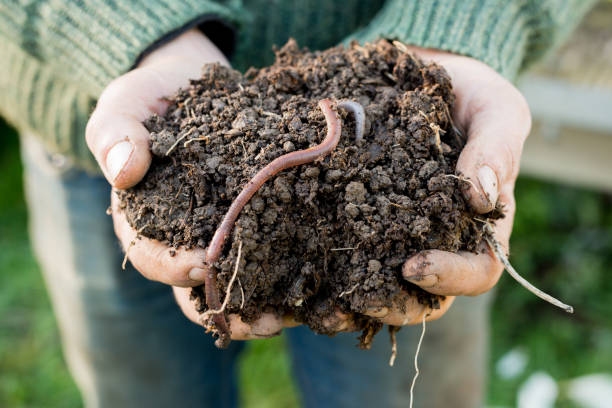
accumulation in the soil is toxic to beneficial microorganisms and
earthworms—creatures that are crucial for soil biodiversity and fertility.
For several years now, here at Gracciano della Seta, we have
been experimenting with natural products that can, at least in part, replace
copper:
- Wood
distillate: A byproduct of wood processing, rich in tannins and
polyphenols. Obtained through aqueous extraction using exclusively physical
processes—without chemical reagents—it improves plant resistance to both biotic
and abiotic stresses.
- Yeast-based
products: These act as resistance inducers, simulating a fungal attack
to "trick" the plant. The vine responds by activating its own defense
mechanisms (producing natural protective molecules like hydrogen peroxide and
stilbenes) to resist pathogens. They are completely harmless to the environment
and leave no residue.
- Seaweed
(Algae): A natural resource we have been using at Gracciano since
2016. They act as biostimulants and elicitors, improving the vine's health
against diseases such as downy mildew and powdery mildew. While yeast focuses
on resistance induction, seaweed offers a more comprehensive action: it not
only activates defense genes but also helps the vine tolerate environmental
stresses like drought or temperature fluctuations, improving water efficiency
and photosynthetic capacity.
We experiment with different products with a single goal: to
protect the environment where we live.
Ultimately, less copper in the soil means a healthier vine
and a more authentic wine. Our quality starts here: from a balanced ecosystem
that is reflected in the purity of what you pour into your glass.